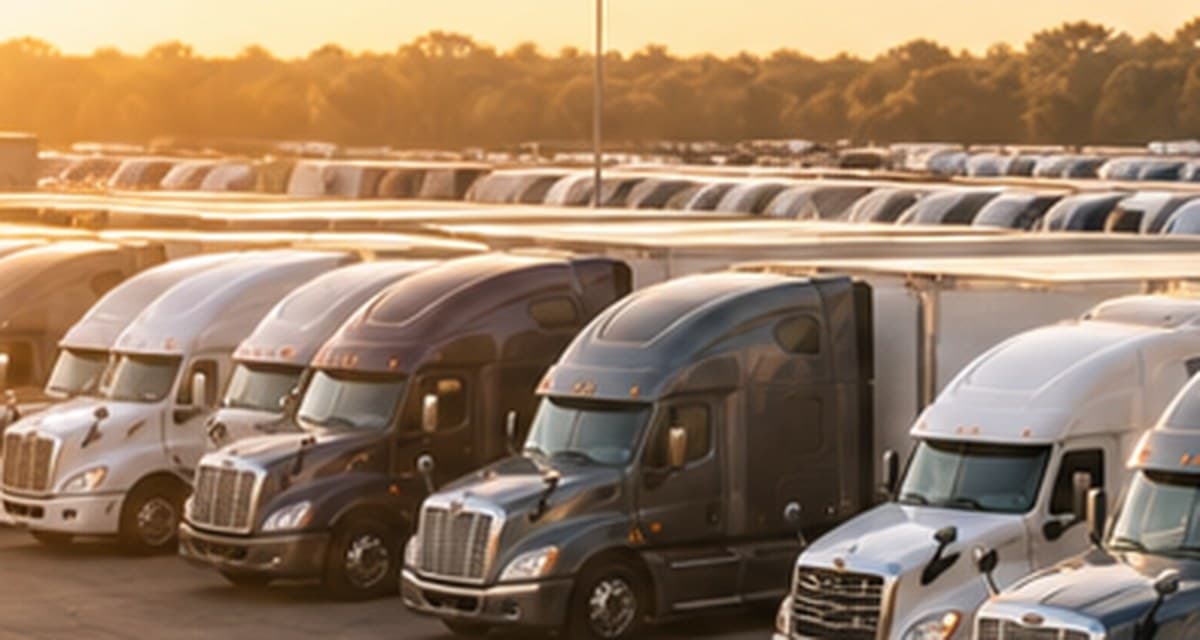
Truck Physical Damage Insurance
Protect your investment in equipment with coverage selected around its value, how it is used, and the deductible your business can manage.
Protects
Your insured trucks and trailers
Compare
Covered causes, settlement terms, and deductibles
Start with
VINs, equipment values, and finance requirements
Coverage for your own equipment
Physical damage insurance can help repair or replace insured trucks and trailers after a covered loss. It is separate from liability for damage to others and cargo insurance for freight.
Send Supreme your equipment schedule and finance requirements. We will review available options, the settlement basis, and what you would pay out of pocket before you choose coverage.
Details to compare
Common questions
What is the difference between collision and comprehensive?
Collision generally addresses damage from impact or overturn. Comprehensive generally addresses covered non-collision events such as theft, fire, or hail. Specified-causes coverage is narrower; the actual policy determines the covered events.
Will the stated value be paid after a total loss?
Not necessarily. A stated amount is not automatically an agreed-value guarantee. Review the policy's valuation and settlement provisions and the deductible before relying on the scheduled figure.
Is physical damage required?
A lender or lessor may require it even when it is not an operating-authority requirement. If you own equipment outright, consider whether you could fund its repair or replacement yourself.
Does it include breakdowns or lost income?
Do not assume mechanical breakdown, wear and tear, downtime, rental costs, or every towing bill is covered. Ask which extensions are available and what limits and exclusions apply.
Make the equipment schedule work for you
Keep values current
Review each unit's value at renewal and when you buy or sell equipment. Include permanently attached equipment and upgrades in the conversation, and confirm how the insurer will value a loss.
Compare the whole offer
Use the same vehicle schedule when comparing quotes. A lower premium with a larger deductible or narrower covered causes may leave your business with more out-of-pocket expense.
Further reading
What to have ready for your quote
Start with what you have. Your agent will confirm any additional information the carrier needs.
- VIN, year, make, model, and value for each truck and trailer
- Garaging address and vehicle use
- Lender or lessor name and insurance requirements
- Desired deductibles, start date, and current policy if available
Quote your equipment, not a generic truck
Share the vehicles, values, garaging details, and desired start date. We will help you compare available options.
A quote request does not bind coverage. Availability, limits, exclusions, and effective dates are subject to carrier approval and policy terms.